Branding and/or Certification as strategy: How seafood nations use certification to market their fish
Image of fish and seafood products today is shaped as much by perception as by their national production systems. Countries no longer compete on quality, sales channels and national image alone, they compete on how their seafood is recognized, trusted, and remembered in global markets. This has brought two powerful tools to the forefront: branding and certification.
Insights
Apr 18, 2026
1. Beyond the product: The role of certification in seafood Marketing
Across global seafood markets, major seafood producing nations compete not only through what they produce and how they position their seafood, but through how they choose to reassure consumers. For decades of active marketing, most seafood-producing nations have relied primarily on national branding to promote their products by building recognition, identity, and market presence across borders.
From Scandinavia and the European Union to North America and the Gulf Countries, seafood marketing systems vary widely in structure. Some are driven by centralized national marketing boards, while others operate through public–private partnerships or more decentralized campaigns. Yet, across these different models, the key pattern is clear: branding remains the dominant strategy for all seafood producing nations.
Certification and labelling, while increasingly important, typically play a supporting role to branding. Rather than leading marketing efforts, they function as tools that reinforce credibility behind national brands, providing assurance on quality, sustainability, and origin.
Against this backdrop, it is particularly interesting to examine countries that have gone further by integrating national certification schemes alongside branding. A few very contrasting, yet insightful examples are Iceland, Saudi Arabia and Norway which, despite their differences, have leveraged certification as part of their national seafood positioning strategies.

Iceland: credibility tool combined with marketing
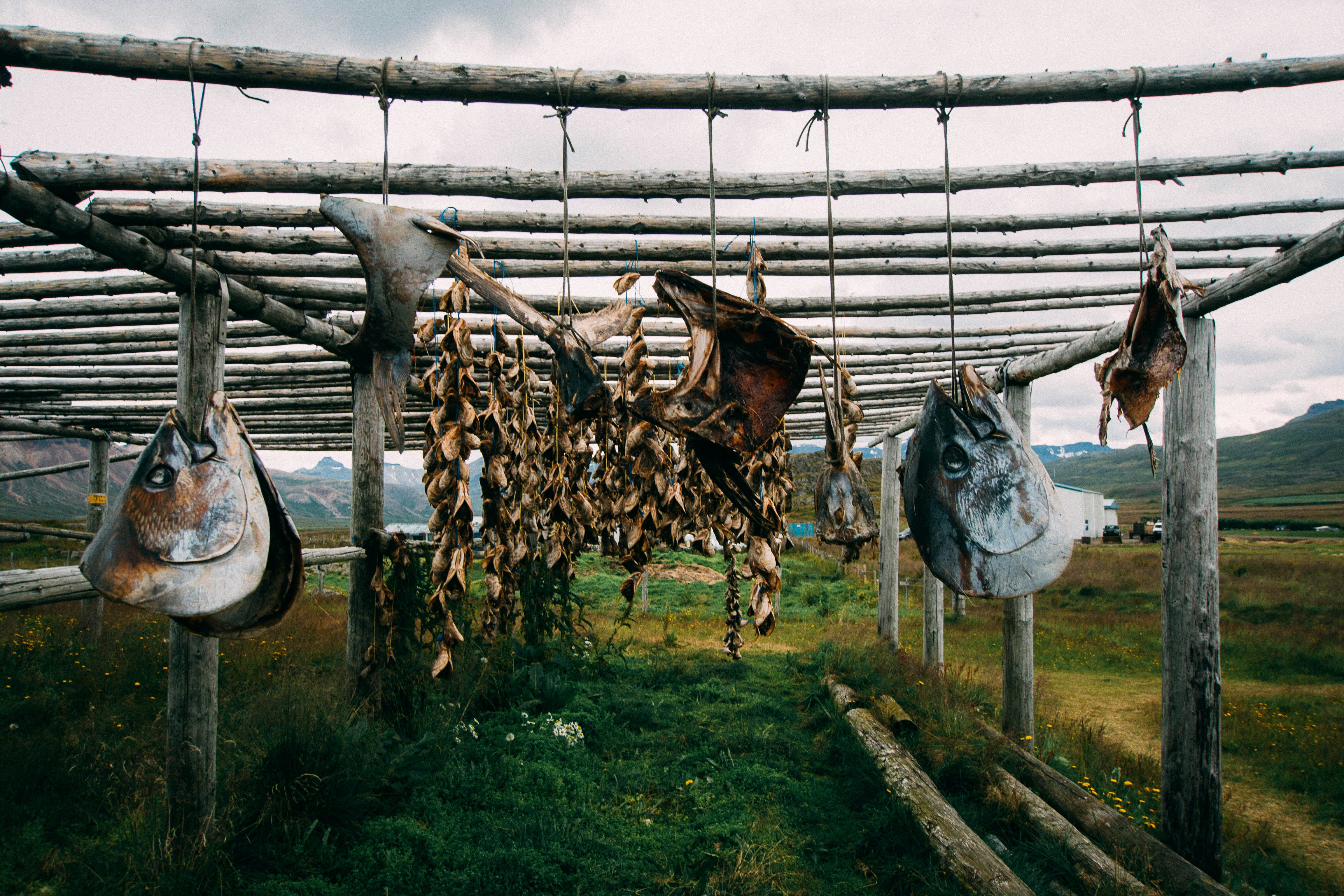
A clear example of this approach is Iceland, with its annual production of over 1.4 million tonnes of wild fish and over 50 000 tonnes of aquaculture output, where certification plays a supporting and highly essential role in seafood marketing.
The Iceland Responsible Fisheries Foundation manages the Iceland Responsible Fisheries (IRF) certification and origin mark. The IRF label signals that seafood:
originates from Icelandic waters, and
is harvested under a responsible fisheries management system.
Importantly, IRF does not stand alone for Icelandic fish products, but It works alongside the broader origin brand and marketing platform "Seafood from Iceland", which drives international marketing and brand recognition. In this model, the key component of national origin builds visibility, while national certification builds trust, creating a powerful and coherent national seafood identity.
Moreover, Iceland complements its national certification system with widespread adoption of international schemes such as MSC, particularly to meet the expectations of global markets.
3. Saudi Arabia: building a brand through certification
In contrast, Saudi Arabia represents a newer but rapidly evolving model, where certification is more directly integrated into national marketing efforts.
Driven by the ambitions of Saudi Vision 2030, aquaculture has become a strategic priority, with rapid production growth with a target to reach 600 000 tonnes and a dual focus on export development and strengthening domestic consumer trust.
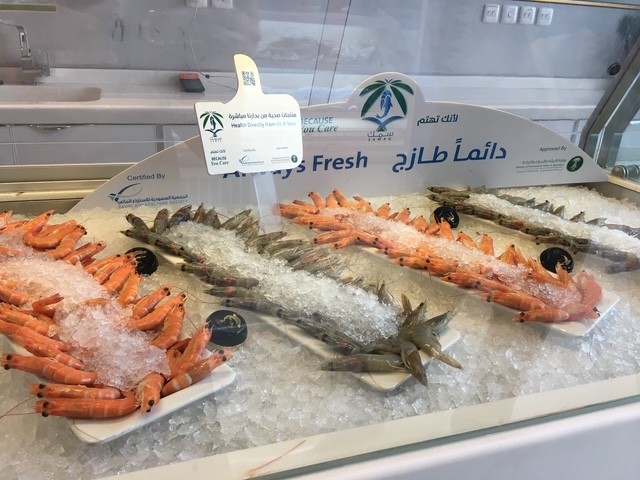
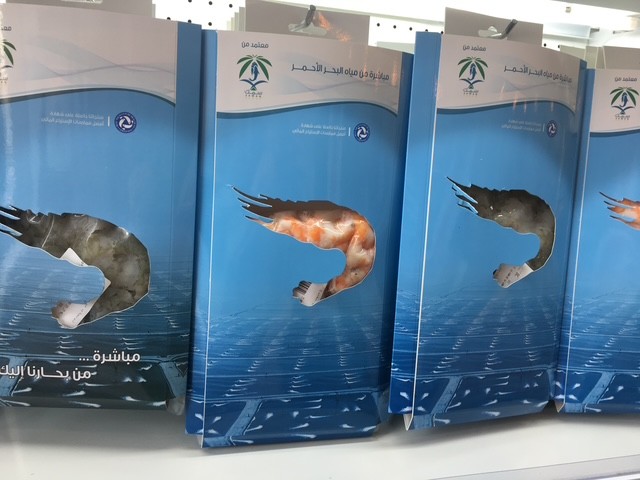
At the center of this approach is the Saudi Mark of Aquaculture Quality (SAMAQ), administered by the Saudi Aquaculture Society under the guidance of MEWA. SAMAQ functions both as a certification scheme and a unified national seafood brand, highlighting origin, quality, and safety. Today, over 95% of national aquaculture production is marketed under SAMAQ.
At the same time, Saudi producers also adopt international certification schemes such as Best Aquaculture Practices, particularly for export markets, combining national branding with global credibility.
Supported by the Saudi Export Development Authority, this approach positions Saudi Arabia as a first mover in the Gulf region towards a structured national seafood origin brand.
Norway: branding supported by global certification
Norway represents a different model, where strong and world-wide recognizable national branding is combined with internationally recognized certification schemes, rather than a distinctive national certification system. Through the work of the Norwegian Seafood Council, the country has built the global “Seafood from Norway” brand, positioning its products around origin, quality, and trust.
Instead of promoting its own certification scheme, Norway relies on widely accepted international standards such as the Marine Stewardship Council for wild fisheries and the Aquaculture Stewardship Council for aquaculture. In this model, certification provides external validation, while national efforts remain focused on marketing, storytelling, and brand positioning.
This creates a contrast with other approaches:
Iceland combines its own branding and own certification, using a national assurance scheme to reinforce credibility;
Saudi Arabia integrates national certification and branding into a unified national system, supported by third-party certification, and
Norway combines strong national branding with internationally recognized certification schemes.
Together, these models highlight different pathways to the same objective: building consumer trust, awareness, recognition and preferences in global seafood markets. Norway’s experience demonstrates that a strong national brand, supported by credible third-party certification, can be as effective as developing a dedicated national scheme.

More to Discover

Branding and/or Certification as strategy: How seafood nations use certification to market their fish
Image of fish and seafood products today is shaped as much by perception as by their national production systems. Countries no longer compete on quality, sales channels and national image alone, they compete on how their seafood is recognized, trusted, and remembered in global markets. This has brought two powerful tools to the forefront: branding and certification.
Insights
Apr 18, 2026
1. Beyond the product: The role of certification in seafood Marketing
Across global seafood markets, major seafood producing nations compete not only through what they produce and how they position their seafood, but through how they choose to reassure consumers. For decades of active marketing, most seafood-producing nations have relied primarily on national branding to promote their products by building recognition, identity, and market presence across borders.
From Scandinavia and the European Union to North America and the Gulf Countries, seafood marketing systems vary widely in structure. Some are driven by centralized national marketing boards, while others operate through public–private partnerships or more decentralized campaigns. Yet, across these different models, the key pattern is clear: branding remains the dominant strategy for all seafood producing nations.
Certification and labelling, while increasingly important, typically play a supporting role to branding. Rather than leading marketing efforts, they function as tools that reinforce credibility behind national brands, providing assurance on quality, sustainability, and origin.
Against this backdrop, it is particularly interesting to examine countries that have gone further by integrating national certification schemes alongside branding. A few very contrasting, yet insightful examples are Iceland, Saudi Arabia and Norway which, despite their differences, have leveraged certification as part of their national seafood positioning strategies.
Iceland: credibility tool combined with marketing
A clear example of this approach is Iceland, with its annual production of over 1.4 million tonnes of wild fish and over 50 000 tonnes of aquaculture output, where certification plays a supporting and highly essential role in seafood marketing.
The Iceland Responsible Fisheries Foundation manages the Iceland Responsible Fisheries (IRF) certification and origin mark. The IRF label signals that seafood:
originates from Icelandic waters, and
is harvested under a responsible fisheries management system.
Importantly, IRF does not stand alone for Icelandic fish products, but It works alongside the broader origin brand and marketing platform "Seafood from Iceland", which drives international marketing and brand recognition. In this model, the key component of national origin builds visibility, while national certification builds trust, creating a powerful and coherent national seafood identity.
Moreover, Iceland complements its national certification system with widespread adoption of international schemes such as MSC, particularly to meet the expectations of global markets.
3. Saudi Arabia: building a brand through certification
In contrast, Saudi Arabia represents a newer but rapidly evolving model, where certification is more directly integrated into national marketing efforts.
Driven by the ambitions of Saudi Vision 2030, aquaculture has become a strategic priority, with rapid production growth with a target to reach 600 000 tonnes and a dual focus on export development and strengthening domestic consumer trust.
At the center of this approach is the Saudi Mark of Aquaculture Quality (SAMAQ), administered by the Saudi Aquaculture Society under the guidance of MEWA. SAMAQ functions both as a certification scheme and a unified national seafood brand, highlighting origin, quality, and safety. Today, over 95% of national aquaculture production is marketed under SAMAQ.
At the same time, Saudi producers also adopt international certification schemes such as Best Aquaculture Practices, particularly for export markets, combining national branding with global credibility.
Supported by the Saudi Export Development Authority, this approach positions Saudi Arabia as a first mover in the Gulf region towards a structured national seafood origin brand.
Norway: branding supported by global certification
Norway represents a different model, where strong and world-wide recognizable national branding is combined with internationally recognized certification schemes, rather than a distinctive national certification system. Through the work of the Norwegian Seafood Council, the country has built the global “Seafood from Norway” brand, positioning its products around origin, quality, and trust.
Instead of promoting its own certification scheme, Norway relies on widely accepted international standards such as the Marine Stewardship Council for wild fisheries and the Aquaculture Stewardship Council for aquaculture. In this model, certification provides external validation, while national efforts remain focused on marketing, storytelling, and brand positioning.
This creates a contrast with other approaches:
Iceland combines its own branding and own certification, using a national assurance scheme to reinforce credibility;
Saudi Arabia integrates national certification and branding into a unified national system, supported by third-party certification, and
Norway combines strong national branding with internationally recognized certification schemes.
Together, these models highlight different pathways to the same objective: building consumer trust, awareness, recognition and preferences in global seafood markets. Norway’s experience demonstrates that a strong national brand, supported by credible third-party certification, can be as effective as developing a dedicated national scheme.
More to Discover
Branding and/or Certification as strategy: How seafood nations use certification to market their fish
Image of fish and seafood products today is shaped as much by perception as by their national production systems. Countries no longer compete on quality, sales channels and national image alone, they compete on how their seafood is recognized, trusted, and remembered in global markets. This has brought two powerful tools to the forefront: branding and certification.
Insights
Apr 18, 2026
1. Beyond the product: The role of certification in seafood Marketing
Across global seafood markets, major seafood producing nations compete not only through what they produce and how they position their seafood, but through how they choose to reassure consumers. For decades of active marketing, most seafood-producing nations have relied primarily on national branding to promote their products by building recognition, identity, and market presence across borders.
From Scandinavia and the European Union to North America and the Gulf Countries, seafood marketing systems vary widely in structure. Some are driven by centralized national marketing boards, while others operate through public–private partnerships or more decentralized campaigns. Yet, across these different models, the key pattern is clear: branding remains the dominant strategy for all seafood producing nations.
Certification and labelling, while increasingly important, typically play a supporting role to branding. Rather than leading marketing efforts, they function as tools that reinforce credibility behind national brands, providing assurance on quality, sustainability, and origin.
Against this backdrop, it is particularly interesting to examine countries that have gone further by integrating national certification schemes alongside branding. A few very contrasting, yet insightful examples are Iceland, Saudi Arabia and Norway which, despite their differences, have leveraged certification as part of their national seafood positioning strategies.
Iceland: credibility tool combined with marketing
A clear example of this approach is Iceland, with its annual production of over 1.4 million tonnes of wild fish and over 50 000 tonnes of aquaculture output, where certification plays a supporting and highly essential role in seafood marketing.
The Iceland Responsible Fisheries Foundation manages the Iceland Responsible Fisheries (IRF) certification and origin mark. The IRF label signals that seafood:
originates from Icelandic waters, and
is harvested under a responsible fisheries management system.
Importantly, IRF does not stand alone for Icelandic fish products, but It works alongside the broader origin brand and marketing platform "Seafood from Iceland", which drives international marketing and brand recognition. In this model, the key component of national origin builds visibility, while national certification builds trust, creating a powerful and coherent national seafood identity.
Moreover, Iceland complements its national certification system with widespread adoption of international schemes such as MSC, particularly to meet the expectations of global markets.
3. Saudi Arabia: building a brand through certification
In contrast, Saudi Arabia represents a newer but rapidly evolving model, where certification is more directly integrated into national marketing efforts.
Driven by the ambitions of Saudi Vision 2030, aquaculture has become a strategic priority, with rapid production growth with a target to reach 600 000 tonnes and a dual focus on export development and strengthening domestic consumer trust.
At the center of this approach is the Saudi Mark of Aquaculture Quality (SAMAQ), administered by the Saudi Aquaculture Society under the guidance of MEWA. SAMAQ functions both as a certification scheme and a unified national seafood brand, highlighting origin, quality, and safety. Today, over 95% of national aquaculture production is marketed under SAMAQ.
At the same time, Saudi producers also adopt international certification schemes such as Best Aquaculture Practices, particularly for export markets, combining national branding with global credibility.
Supported by the Saudi Export Development Authority, this approach positions Saudi Arabia as a first mover in the Gulf region towards a structured national seafood origin brand.
Norway: branding supported by global certification
Norway represents a different model, where strong and world-wide recognizable national branding is combined with internationally recognized certification schemes, rather than a distinctive national certification system. Through the work of the Norwegian Seafood Council, the country has built the global “Seafood from Norway” brand, positioning its products around origin, quality, and trust.
Instead of promoting its own certification scheme, Norway relies on widely accepted international standards such as the Marine Stewardship Council for wild fisheries and the Aquaculture Stewardship Council for aquaculture. In this model, certification provides external validation, while national efforts remain focused on marketing, storytelling, and brand positioning.
This creates a contrast with other approaches:
Iceland combines its own branding and own certification, using a national assurance scheme to reinforce credibility;
Saudi Arabia integrates national certification and branding into a unified national system, supported by third-party certification, and
Norway combines strong national branding with internationally recognized certification schemes.
Together, these models highlight different pathways to the same objective: building consumer trust, awareness, recognition and preferences in global seafood markets. Norway’s experience demonstrates that a strong national brand, supported by credible third-party certification, can be as effective as developing a dedicated national scheme.